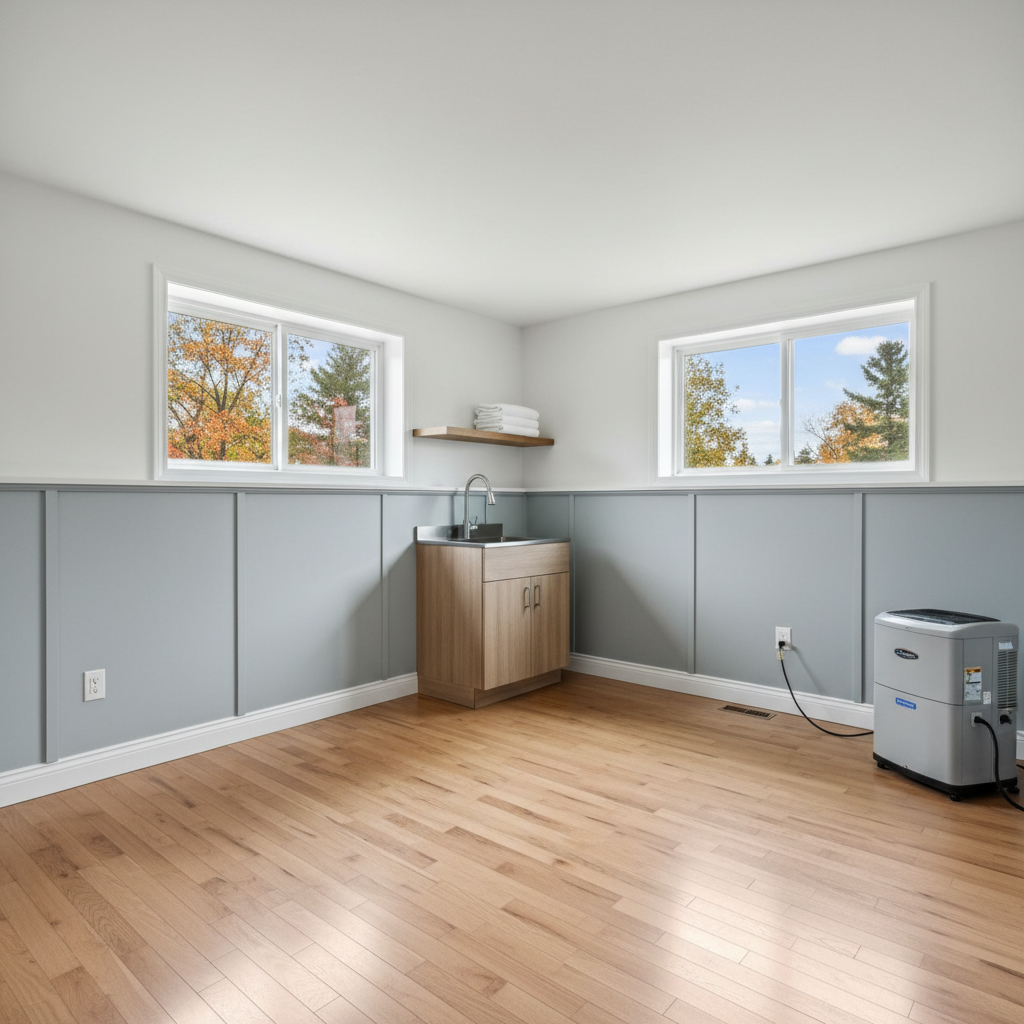
So, you've dealt with water damage. Maybe it was a burst pipe, a leaky roof, or a basement flood after a big spring thaw. Whatever the cause, the immediate crisis is over, and we've done our job getting things dried out and repaired. But here's the thing: that's not the end of the story. You've invested time and money in remediation, and you want that work to last, right? Absolutely. This isn't just about fixing a problem; it's about protecting your home for the long haul.
Extending the Life of Your Water Damage Remediation Work
When we come in, whether it's for a small leak or a major flood, we're not just patching things up. We're addressing the source, drying out materials, and often replacing damaged components. To make sure that work stands the test of time, you've got to keep an eye on a few things.
- Address the Source, Permanently: If the water damage came from a leaky pipe, make sure that pipe isn't just patched, but properly repaired or replaced. If it was a roof issue, get those shingles or flashing fixed right. For foundation leaks, ensure the exterior drainage is sorted. We do our best to identify and fix these, but sometimes the underlying issue needs ongoing attention from you.
- Maintain Proper Ventilation: Especially in basements or crawl spaces, good airflow is crucial. This helps prevent moisture buildup that can lead to mold, even in areas that were previously remediated. If you've got a dehumidifier, keep it running, especially in humid summer months.
- Regular Inspections: Don't just forget about the area once it's fixed. Give it a quick look-over every few months. Are there any new stains? Any musty smells? Catching things early is always better.
What Regular Maintenance Looks Like for Your Home
Beyond the specific remediation site, general home maintenance is your best friend against water damage. This is especially true here in Three Rivers, where we see everything from heavy winter snows to sudden summer downpours that can challenge any home's defenses.
- Gutters and Downspouts: Clean them out at least twice a year, more if you have a lot of trees. Clogged gutters mean water overflowing right next to your foundation, which is a recipe for basement leaks. Make sure downspouts extend several feet away from the house.
- Roof Checks: After every big storm or once a year, visually inspect your roof. Look for missing or damaged shingles, cracked flashing around chimneys or vents, and any sagging spots.
- Sump Pump Maintenance: If you have a sump pump, test it quarterly. Pour a bucket of water into the pit to make sure it kicks on and drains properly. Make sure the discharge pipe isn't blocked and directs water away from your house. Consider a battery backup, too; power outages during storms are common.
- Appliance Hoses: Check the hoses on your washing machine, dishwasher, and refrigerator ice maker every year or so. Look for cracks, bulges, or leaks. Replace rubber hoses with braided stainless steel ones for extra peace of mind.
- Caulking and Sealants: Inspect the caulking around windows, doors, and in bathrooms. Reapply as needed to keep water out.
- Yard Grading: Ensure the ground around your home slopes away from the foundation. If it slopes towards the house, rain and snowmelt will pool there, increasing the risk of foundation leaks. This is a common issue in some of our older neighborhoods with established trees and settled soil.
Warning Signs That You Might Have a Problem Brewing
You've got to be vigilant. Your home will often give you clues if something's wrong. Don't ignore these signals:
- Musty Odors: This is a big one. If you smell dampness or mildew, especially in a basement or crawl space, it's almost always a sign of hidden moisture.
- Stains on Walls or Ceilings: Yellow, brown, or dark spots are a dead giveaway. Don't just paint over them; find the source.
- Peeling Paint or Wallpaper: Moisture behind a wall can cause finishes to bubble, peel, or warp.
- Sagging Ceilings or Floors: This indicates significant water saturation and structural damage.
- Increased Utility Bills: Sometimes, high humidity from a hidden leak can make your HVAC system work harder, driving up costs.
- Visible Mold Growth: If you see it, you've got a moisture problem. Period.
- Damp or Wet Carpets/Flooring: Even a slightly damp spot that doesn't dry out quickly is a concern.
When to Call a Professional
Look, I'm a big believer in homeowners taking care of their properties. But some things are just beyond a DIY fix, or they require specialized equipment and expertise. You should call Neighborly Restoration Solutions if:
- You find significant water damage: More than a small puddle. If it's spread, or you suspect it's been there a while, you need professional assessment and drying.
- There's visible mold growth: Especially if it's a large area (bigger than a dinner plate) or if anyone in your home has health issues. Mold remediation isn't something to mess around with.
- You can't identify the source of the leak: We've got tools to help pinpoint hidden leaks.
- The area isn't drying out: If you've tried to dry it yourself and it's still damp after a couple of days, you need commercial-grade drying equipment.
- You suspect structural damage: Sagging floors, warped walls, or compromised framing need immediate professional attention.
- You're dealing with contaminated water: This includes sewage backups or floodwaters from outside. This kind of water is a health hazard and requires specialized cleanup.
Don't wait until a small issue becomes a huge, costly problem. Staying on top of your home's maintenance and knowing the warning signs can save you a ton of grief and money down the road. We're here to help when you need us, but a little proactive care from you goes a long, long way.